







Search Results for: WeChat Status
Starbucks WeChat Status feature goes live, a review of Starbucks' innovative online coffee social layout in recent years
星巴克近日与微信联手推出全新「星巴克微信状态」功能,成为首个入驻微信状态的品牌。消费者通过扫描门店留言本二维码或使用啡快下单,即可生成专属微信状态,实现线上咖啡轻社交。事实上,星巴克近年来持续布局线上社交零售,从啡快、专星送到微信小程序,不断拓展咖啡社交新场景。与此同时,星巴克2021财年第三季度财报显示,中国市场同店销售增长19%,门店总数已达5135家。本文将全面解析星巴克微信状态的玩法及其背后的社交新零售战略。 [more…]

Is Coffee with Garlic Really a No-Go? Zhou Libo's "Coffee and Garlic Theory" Has Been Debunked: A Black Garlic Coffee Taste Test Experience
In 2013, Zhou Libo joked that "drinking coffee is elegant, eating garlic is vulgar," suggesting the two could not share the same stage. At that time, coffee was more often regarded as a symbol of status and taste. Today, coffee has long since become part of daily life, with affordable prices and increasingly adventurous flavors, and the old notion that garlic cannot go with coffee is being broken. After work, the author happened to come across a garlic-shaped black garlic coffee drink in a convenience store and bought it out of curiosity. How did it turn out? This article records this absurd yet amusing experience, and also discusses the significance of "coffee + everything" for the popularization of coffee culture, as well as the trend of coffee moving from a status label toward everyday, mass-market consumption. [more…]
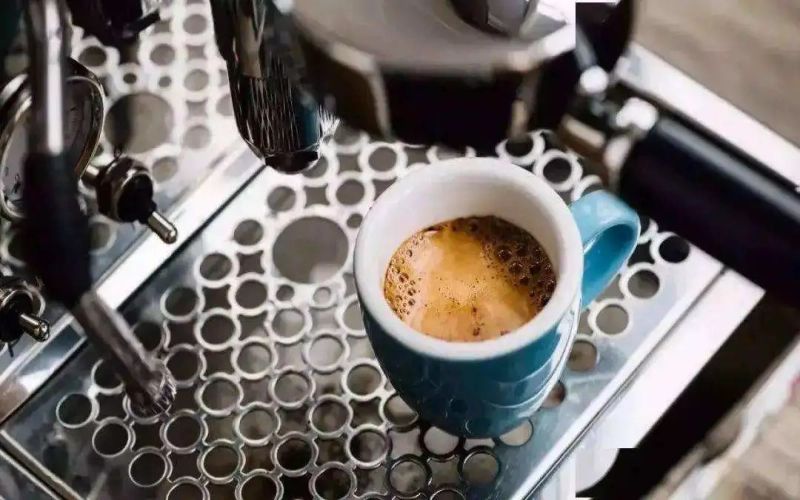
The Road to UNESCO Heritage Status for Espresso and the Century-Long Evolution of the Espresso Machine
A small cup of espresso carries Italy's profound cultural heritage and the marks of change from the industrial age. From the birth of steam-powered coffee machines at the end of the 19th century, to the iterative upgrades of spring piston and semi-automatic espresso machines in the 20th century, and then to today's globally popular café culture, espresso has gone through more than a century of development. At the same time, Italy has been working since 2016 to seek intangible cultural heritage status for espresso, and it has now finally entered UNESCO's formal review process. This article will take you through the history of the development of the espresso machine and bring you the latest progress on its heritage application. [more…]
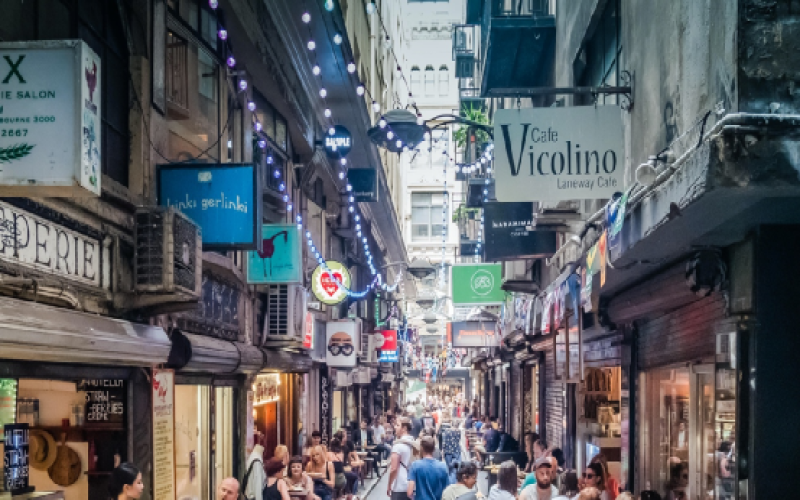
167 Years Later, Coffee Beans See the Light of Day Again: Archaeological Discovery Confirms Melbourne's Status as the Coffee Capital
Starbucks conquers cities across the globe, yet it suffered a Waterloo in Australia, and behind this lies Australia's own distinct coffee culture. Sydney and Melbourne have long vied for the title of "coffee capital," and an archaeological discovery has added strong evidence for Melbourne—archaeologists excavating a grocery store site at Melbourne's Metro Tunnel have unearthed coffee beans perfectly preserved from 167 years ago. This discovery traces Melbourne's coffee culture back to before the gold rush, rewriting our understanding of Australia's café era. This article will walk you through the details of this archaeological find, revisit the long history of Melbourne's coffee culture, and let you feel the profound global influence of Australian coffee. [more…]

Parisian cafés have plummeted by 40% in twenty years. Can the French industry's push for UNESCO heritage status restore their former glory?
Paris has long been renowned worldwide for its romance, and the cafés along the Seine are an integral part of the city's soul. Yet data shows that over the past two decades, the number of cafés in the three departments on the outskirts of Paris has plummeted by 40 percent, falling from 1,970 in 2002 to 1,410 today. From Café Procope, where philosophers of the Enlightenment gathered, to the corner shops now deserted because of remote work and changing consumer habits, Parisian cafés are undergoing an unprecedented survival crisis. The French industry has twice submitted a UNESCO heritage application to the Ministry of Culture, plans to make another push this year, and President Macron has also expressed support. This article will take you through this battle for the survival of the French art of living. [more…]
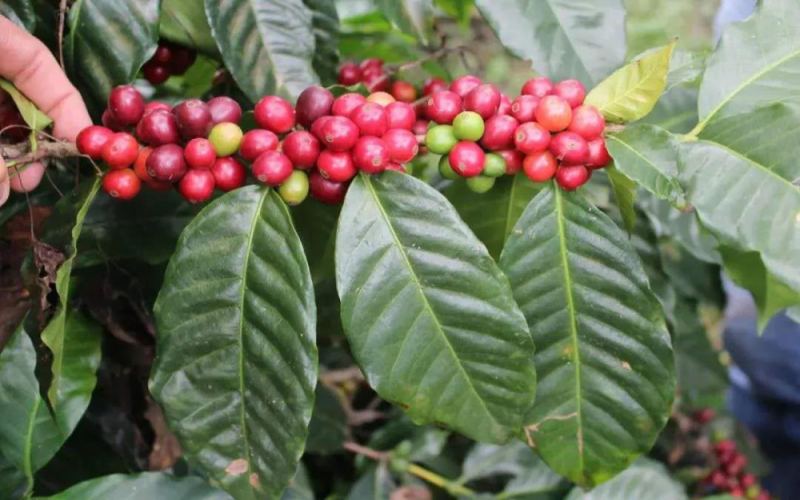
What Variety Is Liberica Coffee? A Full Analysis of Its Origin, Flavor Characteristics, and Current Cultivation Status
There are three main species of coffee cultivated commercially worldwide: Arabica, Robusta, and Liberica. The first two are ones we encounter frequently in daily life, while Liberica is rarely mentioned. It originated in Liberia, West Africa, and has a tall tree form and large fruit, which is why it is called "large bean." Liberica is extremely adaptable and once became a replacement crop in Southeast Asia after the coffee rust outbreak at the end of the 19th century; today the Philippines is the world's largest producer. However, it has a one-dimensional flavor, strong bitterness, and an intense smoky character, and has even been described as "liquid tobacco." Add to that the difficulty of harvesting and its scarce yield, and it accounts for only about 5% of total world coffee production. This article will comprehensively sort out Liberica's origin, spread, flavor characteristics, and cultivation in China, and will include Front Street Coffee's brewing suggestions. [more…]
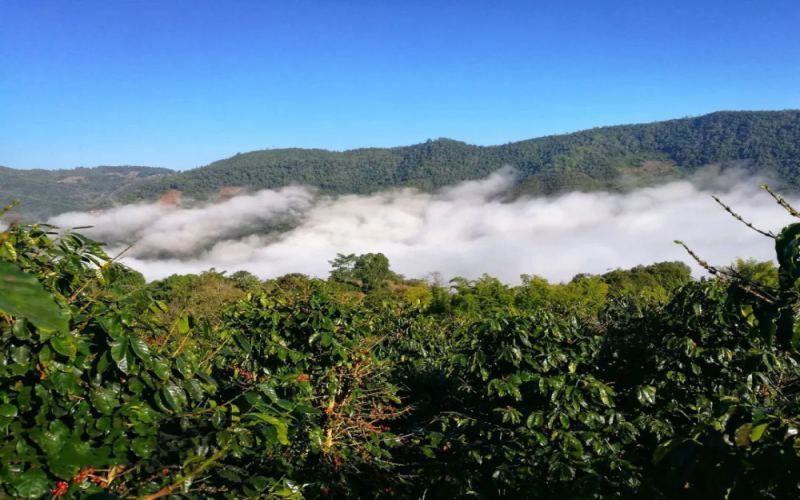
An analysis of the origin, flavor characteristics, and current cultivation status of Catimor CIFC7963, the main variety of Yunnan small-bean coffee.
In Yunnan's coffee cultivation area, the Catimor variety occupies an absolutely dominant position, with about ninety percent of production coming from this hybrid. Catimor CIFC7963 was bred by the Portuguese Coffee Rust Research Center, combining the disease resistance and high yield of Robusta with the sweet-and-sour flavor of Arabica, but its flavor complexity is relatively limited, often described as dominated by nutty and brown sugar notes. Meanwhile, the Typica variety, which was the earliest introduced to Yunnan, has gradually been replaced due to its low yield and weak disease resistance. Front Street Coffee has been cultivating Typica in Lincang, Yunnan since 2013, and after years of cultivation, its natural process presents full-bodied flavors of caramel, berries, and black tea. This article will systematically sort out Catimor's genetic background, flavor performance, and the context of variety replacement in Yunnan coffee, and share the brewing parameters for Front Street Yunnan coffee. [more…]
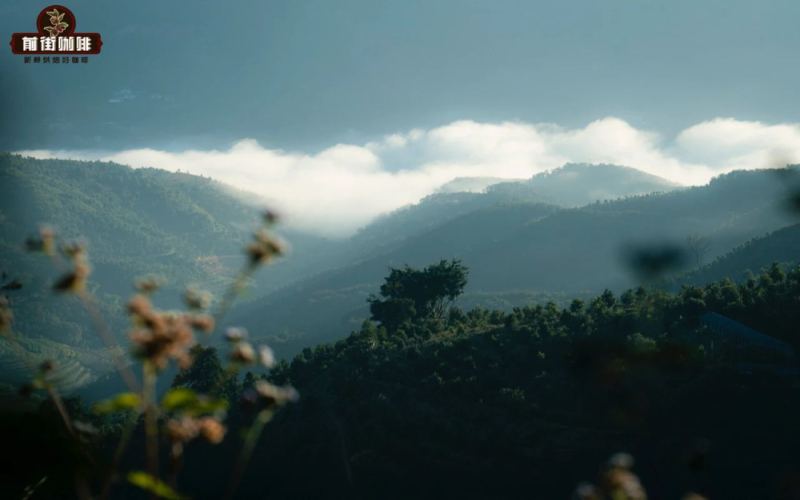
The Flavor Truth of Yunnan Washed Catimor Arabica Coffee and an Analysis of Its Path to Specialty Status
Yunnan coffee is gaining increasing recognition within China, yet most enthusiasts have limited understanding of its varietal composition and current specialty status. Front Street Coffee currently offers two Yunnan beans: the Typica variety is classified under the specialty series, while the Catimor variety is conventionally called Yunnan small-batch coffee in the market. Both are medium-roasted to present a balanced profile of nuts, brown sugar, and soft fruit acidity. This article will trace the varietal origins of Yunnan Catimor, its shifting fortunes relative to Typica, analyze the impact of high-altitude cultivation and post-processing on flavor, and share Front Street Coffee's five-year cultivation practice from seed to cupping. At the same time, we will verify rumors one by one regarding Yunnan green bean competition scores, CQI records, and other claims, exploring the real path of Yunnan coffee toward specialty status. [more…]

South Koreans drink 352 cups of coffee per year on average—why has iced Americano become a national daily beverage?
Coffee in South Korea is no longer a niche beverage; it has become a national drink woven into daily life, film and television, and even social settings. Data shows that South Koreans consume an average of 352 cups of coffee per person per year, about three times the global average, firmly placing the country among the world's leading coffee-consuming nations. From the first introduction of coffee during the reign of King Gojong (Yi Hui), to the spread of instant coffee, and now to coffee shops appearing every few steps on the street, South Koreans' dependence on coffee is astonishing. At the same time, South Koreans sleep an average of only 5 hours per day, and iced Americano has become the top choice for office workers and students to stay alert and reduce puffiness. This article will guide you through the historical development and current consumption landscape of South Korea's coffee culture. [more…]
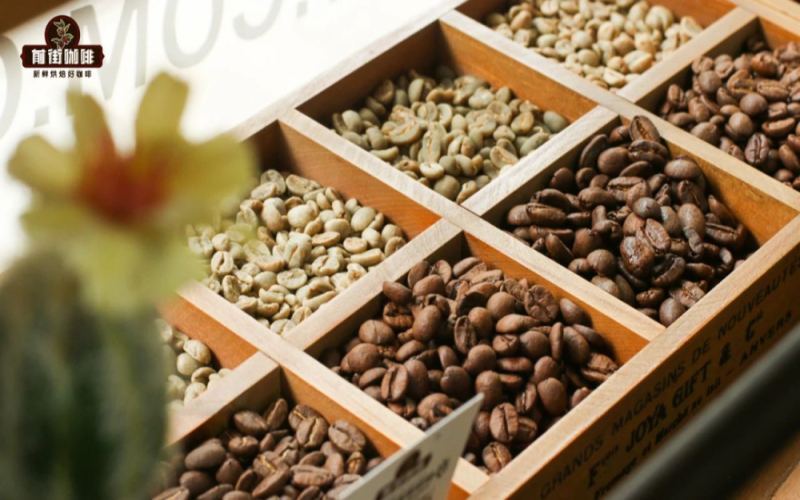
Why is Yunnan coffee called "small bean"? Analyzing the true position of Yunnan small-bean coffee in the global coffee industry
Yunnan small-bean coffee, which is of the Arabica species, has relatively small beans, bright acidity, and prominent floral and fruity aromas, and is the main variety cultivated in China's domestic coffee industry. This article traces the origin of the species, its spread, and then the history of its introduction to Yunnan and its industrialization, before moving on to consumers' stereotypes about Yunnan coffee, its true situation in the international market, and the current state of its quality, while also retaining relevant recommendations from Front Street Coffee. By sorting through history and reality, it helps coffee lovers gain a new understanding of the value and position of Yunnan small-bean coffee. [more…]

Counterfeit Starbucks coffee shops appear in Venezuela, brand licensing dispute draws industry attention
Recently, a café calling itself "Starbucks" has appeared on the streets of Caracas, the capital of Venezuela, drawing widespread attention. However, this store is not an officially authorized Starbucks outlet, but a counterfeit imitation. Starbucks currently has not opened any stores in Venezuela, and the registration status of its brand in the country is quite complicated. This incident has not only left consumers confused, but has once again pushed the phenomenon of counterfeit coffee shops into the spotlight. This article will take you through the true face of this "first Starbucks in Venezuela," as well as the brand licensing and market conditions involved behind it. At the same time, we will also recommend specialty coffee beans from Front Street Coffee, so that while following industry trends, you can also enjoy a cup of truly high-quality coffee. [more…]
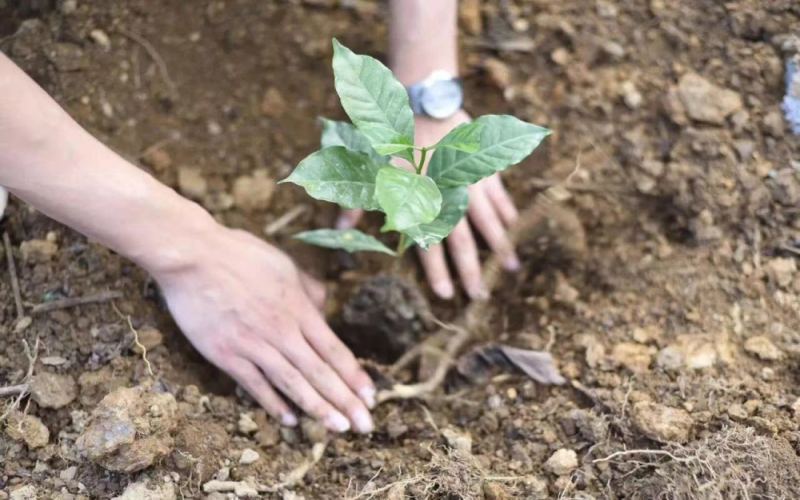
The Cultivation Origins of Geisha Coffee at Zuoyuan in Baoshan, Yunnan, and an Analysis of the Flavor Characteristics of Yunnan Arabica Coffee
Although the cultivation history of Yunnan Geisha coffee is not particularly long, it has taken root and grown in Zuoyuan in the Baoshan production area, becoming a bright spot in China's specialty coffee sector. The Geisha variety traveled from the primitive forests of Ethiopia to high-altitude estates in Panama, undergoing a long process of genetic adaptation and flavor transformation, and after being introduced to Yunnan, its flavor has taken on a different character due to differences in altitude, soil, and climate. This article will trace the spread of Geisha coffee, compare the flavor differences of Geisha from Ethiopia, Panama, and Yunnan, and specifically describe the plum acidity, berry-like sweet-tartness, black tea fermentation note, and nutty finish displayed by Yunnan Geisha coffee beans, giving you a comprehensive understanding of this variety's cultivation status and taste characteristics in Yunnan. For more specialty coffee bean information, you can follow the Coffee Workshop WeChat official account or add Front Street Coffee's personal WeChat for exchange. [more…]
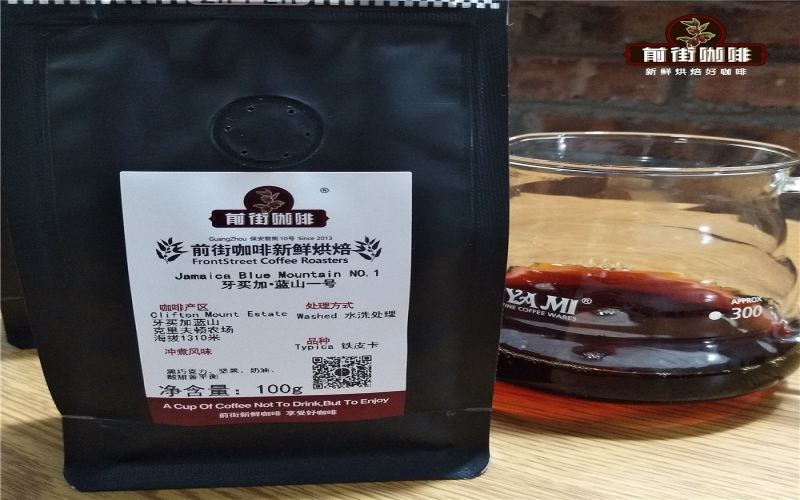
Jamaican Blue Mountain Coffee JABLUM Grade and Flavor Analysis: Authentic Certification Standards and Front Street Blue Mountain No.1 Pour-Over Parameters
Blue Mountain coffee is hailed as the pinnacle of coffee, renowned for its rich smoothness, balanced acidity, bitterness, and sweetness, and its long-lasting aftertaste. In an era before specialty coffee became widespread, its status was akin to Rolls-Royce in the automotive world or Rolex in watches, with rampant counterfeits and high prices. Nowadays, enjoying authentic Blue Mountain is no longer difficult—Front Street can provide Jamaica's highest-grade Blue Mountain No. 1 coffee beans. This article focuses on the grading standards for Blue Mountain coffee, the CIB certification system, the tradition of wooden barrel packaging, Front Street's medium-dark roasting philosophy, and the standard pour-over extraction method used in stores. It explains in detail how to identify authentic Jamaican Blue Mountain and presents the flavor changes of Blue Mountain No. 1 from high to low temperatures, helping coffee enthusiasts gain a comprehensive understanding of this legendary coffee. [more…]
An Analysis of Yunnan Small-Bean Coffee Varieties: Flavor Differences and Growing Stories of Typica and Catimor
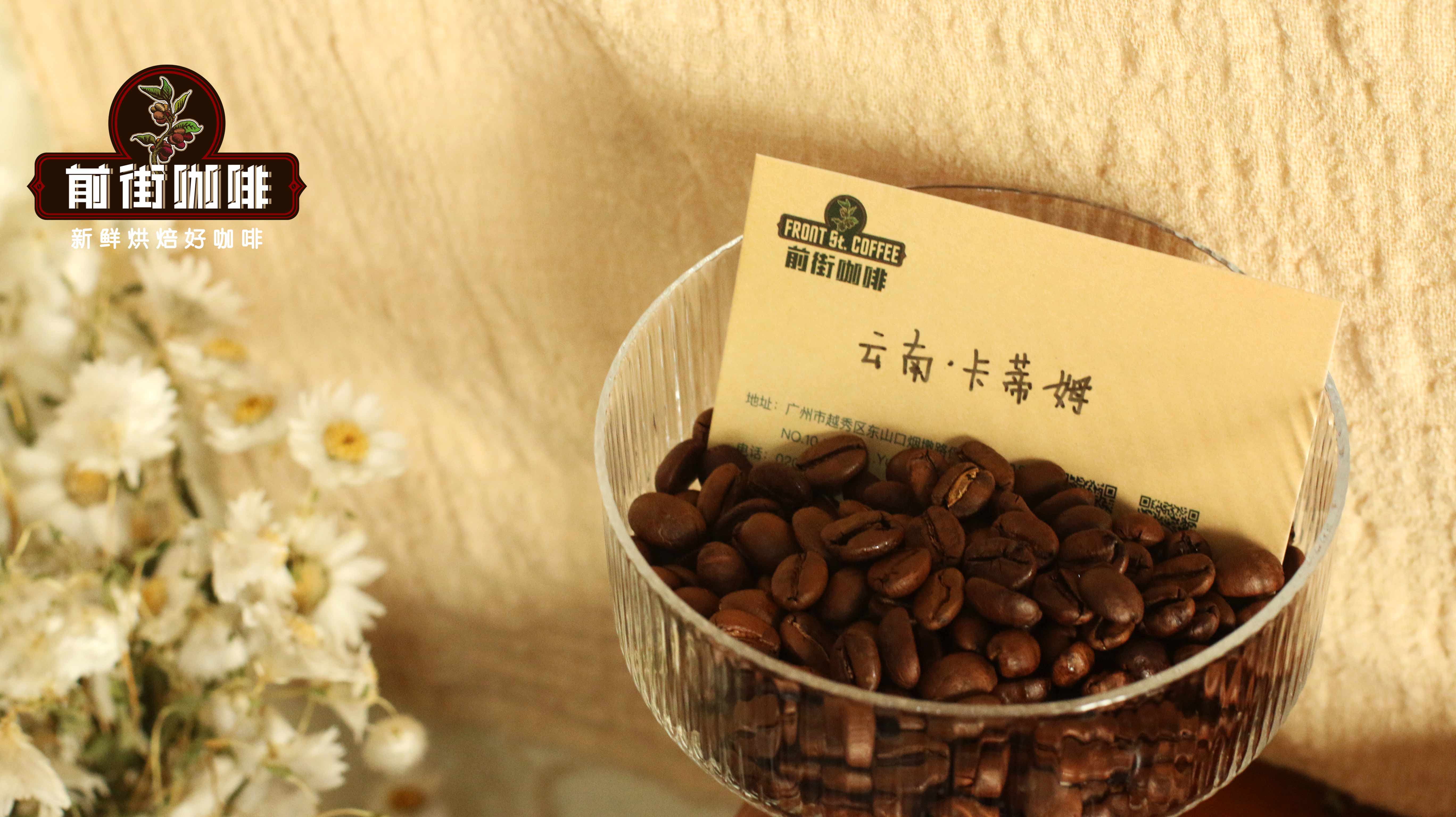
Yunnan coffee has risen dramatically in China's specialty coffee market in recent years, frequently appearing at competitions and exhibitions, and the film "Coffee or Tea?" propelled it into the public eye. However, Yunnan coffee's path to specialty status has not been achieved overnight. This article systematically examines the differences between the two representative varieties of Yunnan Arabica coffee—Typica and Catimor—from cultivation history and variety characteristics to producing region conditions and brewing flavors. Front Street Coffee (FrontStreet Coffee) took root in Yunnan eight years ago, insisting on cultivating Typica to establish the region's flavor profile. This article combines its cultivation experience and roasting data to give you a deeper understanding of the authentic taste of Yunnan coffee. [more…]
Coffee Basics | What Does Mocha Mean in Coffee? Is Mocha Coffee a Black Coffee Made from Mocha Coffee Beans? Is There Any Connection Between the Moka Pot and Yemeni Mocha?
For more specialty coffee knowledge and sharing, please follow our WeChat official account: Front Street Coffee (FrontStreet Coffee). Many newcomers to coffee feel very confused when they see coffee terms containing "Mocha." Views on Mocha coffee differ between those who start with espresso-based coffee and those who start with single-origin coffee. [more…]
A Complete Guide to Costa Rica San Román Pour-Over Parameters, Flavor Characteristics, and Regional Background
Costa Rican San Ramon coffee is known for its berry aroma, caramel sweetness, and robust body. This article compiles the pour-over extraction data for Front Street Costa Rican San Ramon and systematically introduces the historical status of Costa Rican coffee, the distribution of its seven major producing regions, the washed processing method of the San Ramon processing plant, and product information for Front Street Royal Coffee. From 15 grams of grounds, a water temperature of 88-89°C, to a 1:15 coffee-to-water ratio, this brewing method does a good job of bringing out San Ramon's creamy sweetness and subtle spicy finish, making it suitable reading and reference for enthusiasts who want to gain a deeper understanding of Costa Rican specialty coffee. [more…]

The Truth Behind the Post Office Coffee Franchise Rumors: China Post States It Is Self-Operated Only and Has Not Opened Any Franchise Channels
On February 14th of this year, the nation's first post office coffee shop opened its doors in Xiamen, and within just two days it made it onto Weibo's trending topics, drawing a great deal of attention. Along with the buzz came a flood of various "post office coffee franchise" information online. In response, China Post, Xiamen Post, and Post Coffee officially issued statements one after another, clearly stating that currently only self-operated stores have been opened and that a franchise model has never been offered. At the same time, the trademark applied for by Zhongyu Jiaye, the company cooperating with the postal service to open coffee shops, is also in an invalid status. This article will sort out the ins and outs of the incident to help coffee lovers distinguish truth from falsehood and avoid falling into fake franchise traps, and will also include professional coffee information channels such as Front Street Coffee. [more…]

The Truth About Kopi Luwak: What's the Difference Between Civet and Masked Palm Civet Coffee Beans?
Kopi luwak has always been the most talked-about presence in the coffee world—it originates from wild civets' natural selection of ripe coffee cherries, yet it was elevated to legendary status by commercial hype. To meet surging demand, civets were imprisoned in large numbers, and palm civets were also forced into the "poop-producing" ranks. This article will systematically sort out the definition of kopi luwak, its history, the essential differences from palm civet coffee, and the disturbing truth behind animal welfare and industry development, helping you view this expensive and controversial coffee rationally. [more…]

Creative Coffee R&D Guide: From Fruit Coffee to Quirky Mashups, How Cafés Can Create Hit Products That Truly Keep Customers
Creative coffee has gradually evolved from its early days as fancy coffee drinks into an important product line for brands to attract traffic. However, after conventional creative ingredients such as dairy products, fruits, and floral teas were over-exploited, some brands began using bizarre ingredients to generate话题, from saltwater duck coffee to century egg latte, with creativity gradually drifting away from the essence of the beverage. This article reviews the development trajectory and market status of creative coffee, and explores how cafes can balance creativity and taste to create hit products that are both传播力 and have repeat purchase rates, providing product development ideas for coffee practitioners. [more…]
2022 Yunnan Coffee Bean Price Market Analysis: Purchase Price per Kilogram of Arabica Coffee and Industry Status Analysis
Yunnan is China's main coffee-producing region, accounting for over 99% of the national output. However, for a long time the pricing power for coffee beans has been subject to the New York futures market, leaving it without bargaining power. In recent years, international green bean prices have remained persistently low, even falling below the cost line of 15 yuan/kg, causing many coffee farmers to cut down trees and change careers. In 2020, the province's planting area shrank by nearly 20% compared with the 2014 peak. At the same time, the rise of specialty coffee has opened a new path for Yunnan coffee, with the consumption scale of Yunnan coffee on the Tmall platform increasing by 135% year on year. This article will sort out the latest price details of Yunnan coffee beans, the industry's difficulties, rescue actions from various parties, as well as the planting history and producing-area advantages, to give you a comprehensive understanding of the current situation of Yunnan Arabica coffee and Front Street's brand observations. [more…]